日本語
日本語 English
The Best Stories are Shared Around the Table
Project
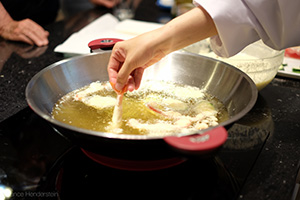
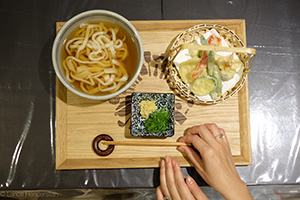
Sushi and tempura are now household names in countries across the globe, however even these iconic Japanese dishes are still absent from most households, and represent only a small sample of the rich traditions and diverse cuisine that has a place on the Japanese dinner table. And while indispensable ingredients to Japanese cooking, such as miso and soy sauce, are becoming more readily available, opportunities to appreciate the cultural context from which they were conceived, and as a result, understand their potential, are still few and far between.
Soup Stock (dashi), Miso, Rice, Soy Sauce, Essential Condiments, Tea and Sweets.
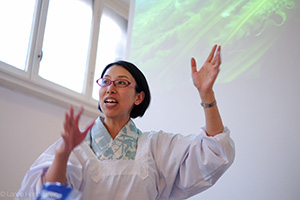
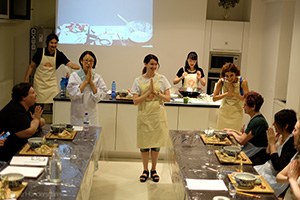
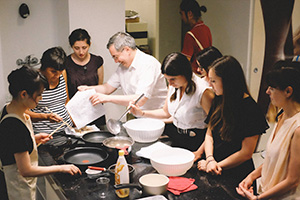
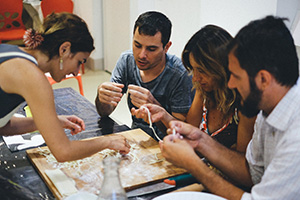
These six course themes emphasizing the fundamentals of cooking in the Japanese kitchen make up the core curriculum of Peace Food Stories, creating an opportunity to actively engage with the ingredients and culture as participants to cook, learn, and dine together. By sharing in the process, cooking, learning, and dining together, Peace Food Stories provides a unique opportunity for participants to be able to learn about the depth of Japanese food culture while rediscovering the beauty of their own food culture.
Report
Drawing in curious and passionate food-lovers from an array of backgrounds, the response to Peace Food Stories has been tremendous. Providing a format that makes it easy for participants to recreate the recipes they learn and the confidence to share their own Japanese food culture experience with others, participants often comment as to how they’ve been able to easily make use of the knowledge and skills that they’ve gained in class at home, with requests for both more and new types of classes coming in all the time.
Down the road, Peace Food Stories is looking to expand the experience from ‘Cooking and Dining Together,’ to integrating a more multifaceted approach that allows participants to engage and share in new and exciting ways.